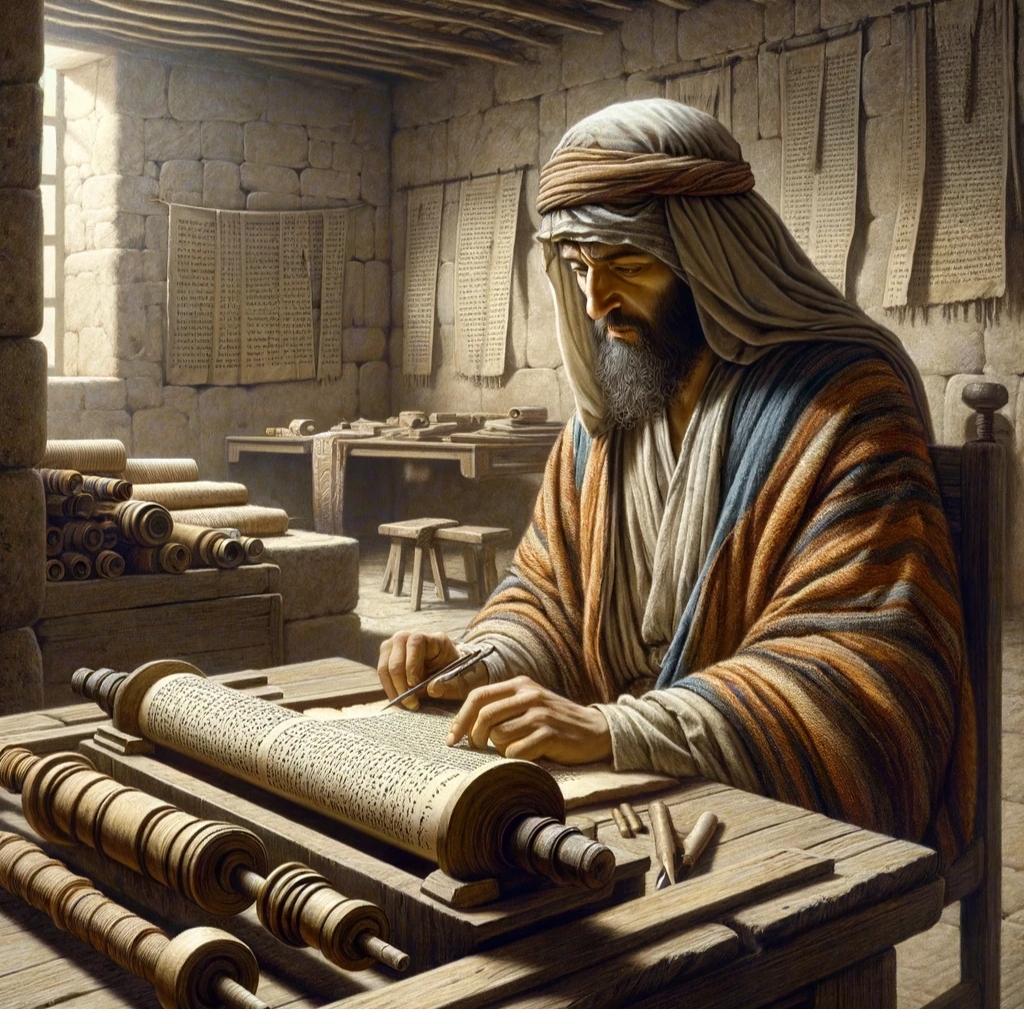
The Dead Sea Scrolls, discovered in 1947, provide evidence that the Hebrew Old Testament has remained relatively unchanged over the past 1,400 years. They also reveal variant readings in Hebrew Bible texts used during the Second Temple period. The scrolls offer valuable insights into the historical setting of Jesus' life and times. This discovery continues to inspire scholars and Bible students in the 21st century.
THE DEAD SEA SCROLLS: No Conspiracy, No Secret Scrolls
Contrary to the cover-up theorists, after the Dead Sea Scrolls were discovered, numerous publications were released over the years that made those first finds accessible to scholars worldwide.
The Dead Sea Scrolls: Who Wrote Them?
After carefully dating these fragile documents, it has been determined that they were copied or composed sometime between the third-century B.C.E and the first-century C.E. (See PALEOGRAPHY: Dating Ancient Manuscripts) A handful of scholars has suggested that these scrolls were hidden in the caves by Jews that fled just before the destruction of Jerusalem in 70 C.E.... Continue Reading →
The Dead Sea Scrolls: What are They?
In the spring of 1947, a Bedouin shepherd threw a stone into a cave, marking an event that would be heard around the world, making the name “Dead Sea Scrolls” more known than any other associated with archaeology.
The Greek Septuagint and Other Ancient Greek Versions: Origins, Manuscripts, and Textual Significance
The Greek Septuagint, a crucial ancient translation of the Hebrew Scriptures, shaped early Christian theology and remains vital for biblical textual criticism.


