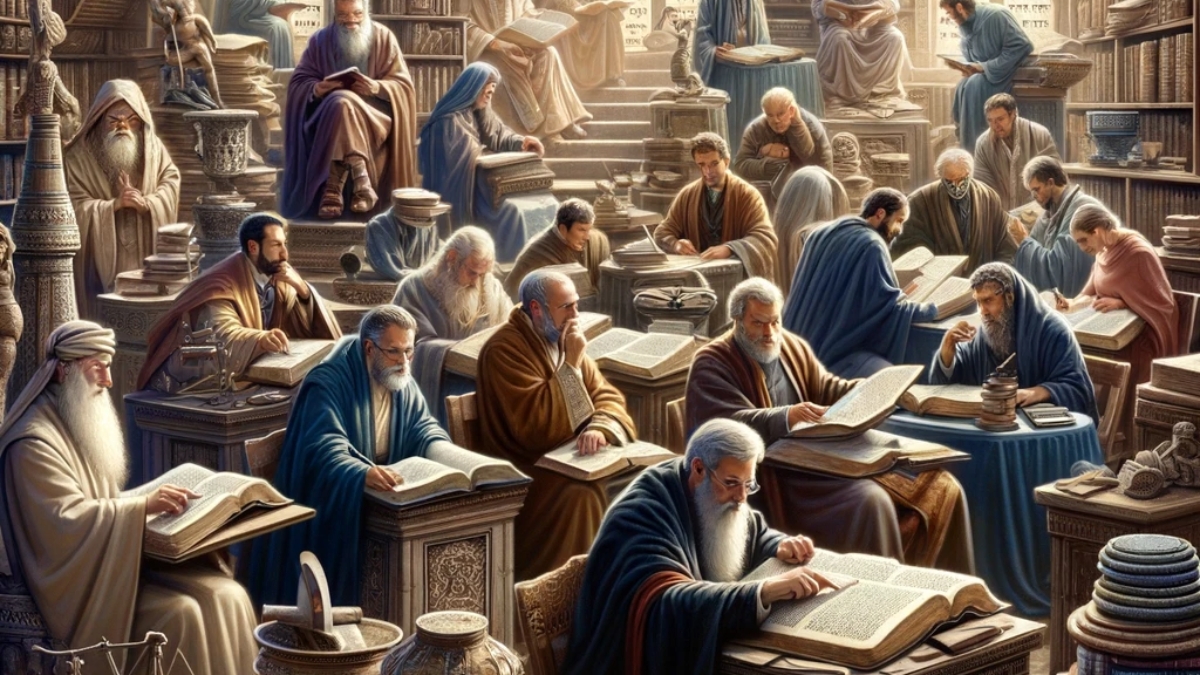
Delve into the depths of one of the Bible's most debated narratives in 'Was the Flood of Noah’s Day Truly Global? A Biblical and Scientific Inquiry'. This article navigates the intricate details of the Genesis flood account, juxtaposing scriptural insights with scientific evidence. Explore the theological implications, analyze geological findings, and unravel the truth behind this ancient catastrophe. Was Noah's Flood a global event, or merely a regional occurrence? In addition, we have comprehensive analysis of scriptural, geological, and historical data that challenges the arguments advocating for a localized interpretation of Noah’s Flood. Join us in uncovering the layers of this profound Biblical account.
Why Did David Allow Michal to Possess a Teraphim Image as Described in 1 Samuel 19:12-13?
This article delves into the intriguing question of why David, a devout servant of Jehovah, allowed his wife Michal to possess a teraphim image, as described in 1 Samuel 19:12-13. It examines the historical, cultural, and religious contexts surrounding this incident, exploring possible reasons for David's tolerance of the idol. The analysis considers archaeological insights, the legal and spiritual implications of idol possession in ancient Israel, and the complex dynamics within David's household, offering a comprehensive understanding of this perplexing Biblical narrative.
Why Does 1 Corinthians 10:8 and Numbers 25:9 Report Different Numbers of Israelites Who Died for Fornication?
This article investigates the discrepancy between the numbers of Israelites who died for fornication as reported in 1 Corinthians 10:8 (23,000) and Numbers 25:9 (24,000). It delves into the historical, textual, and theological aspects of these accounts, exploring reasons for the different numbers presented. The analysis considers the context of each passage, the role of Israelite leaders, and the broader implications of these events for understanding Biblical narrative accuracy and divine judgment principles.
Who Was in Danger and Why During the Mysterious Encounter in Exodus 4:24-26?
This article offers an in-depth analysis of the enigmatic encounter in Exodus 4:24-26, where a life-threatening situation arose during Moses' journey to Egypt. It explores the identities of the individuals involved, particularly focusing on the likely target of the angel of Jehovah's wrath. The article delves into the covenant of circumcision as a crucial element, examining its significance in the context of ancient Israelite customs and Biblical law. Through a detailed exploration of the text, the article sheds light on the theological implications and the importance of covenantal obedience in the Old Testament.
How Could Levite Hanamel Sell a Field to Jeremiah Despite Levites Having No Inheritance in Israel?
This article examines the perplexing case of Levite Hanamel selling a field to Jeremiah, as described in Jeremiah 32:7, despite Levites having no inheritance in Israel. It delves into the legal and theological aspects of Levitical property rights, the specific conditions under which Levites could own and transact land within their cities, and the broader implications of this transaction in the context of Mosaic Law and ancient Israelite society. The article elucidates how this event aligns with Biblical directives and symbolizes divine faithfulness.
How Did the Dove Find an Olive Leaf after the Flood in Genesis 8?
This article explores the intriguing question of how a dove found an olive leaf after the Flood, as recounted in Genesis 8. It delves into the Biblical narrative, examining the theological significance and the environmental and botanical aspects of this event. The resilience of the olive tree, the climatic conditions necessary for its survival, and the dove's role as a symbol of peace and renewal in a post-flood world are thoroughly analyzed to provide a comprehensive understanding of this pivotal moment in Biblical history.
What Led Judah to Mistakenly Have Relations with Tamar in Genesis 38?
This article delves into the intricate narrative of Judah and Tamar in Genesis 38, unraveling the cultural and familial contexts that led to their unconventional union. It explores the Levirate marriage tradition, Judah's failure to fulfill his duty, Tamar's decisive action for justice, and the divine providence in preserving the lineage leading to Christ. This complex story offers profound insights into duty, justice, and the workings of God in the midst of human imperfection.
Will King Solomon Be Resurrected Despite His Apostasy? An Examination Based on 1 Kings 11:3-9
In this article delves into the enigmatic figure of King Solomon, exploring his journey from wisdom to idolatry. It critically examines the implications of his apostasy on his eligibility for resurrection, offering insights into Jehovah's mercy and justice in the context of Biblical teachings.
How Do Deuteronomy 14:21 and Leviticus 11:40 Harmonize in Their Teachings About Eating Dead Animals?
In the article, we explore the intricate relationship between these two verses from the Mosaic Law. The analysis unveils how Deuteronomy's prohibition against eating dead animals aligns with Leviticus' instructions for handling the uncleanness resulting from such actions. This examination not only clarifies any perceived contradiction but also reflects the deeper principles of holiness, mercy, and human frailty inherent in these commandments.
Why Did David and Bathsheba Not Face Death for Adultery While Their Son Died?
In this article, we delve into the biblical narrative of King David and Bathsheba. This article examines the Mosaic Law's stance on adultery, the divine intervention by God, David's heartfelt repentance in Psalm 51, and the profound lessons on justice and mercy. The piece navigates through the complexities of this Old Testament account, shedding light on the balance of divine justice and mercy, and the serious repercussions of sin in the biblical context.


