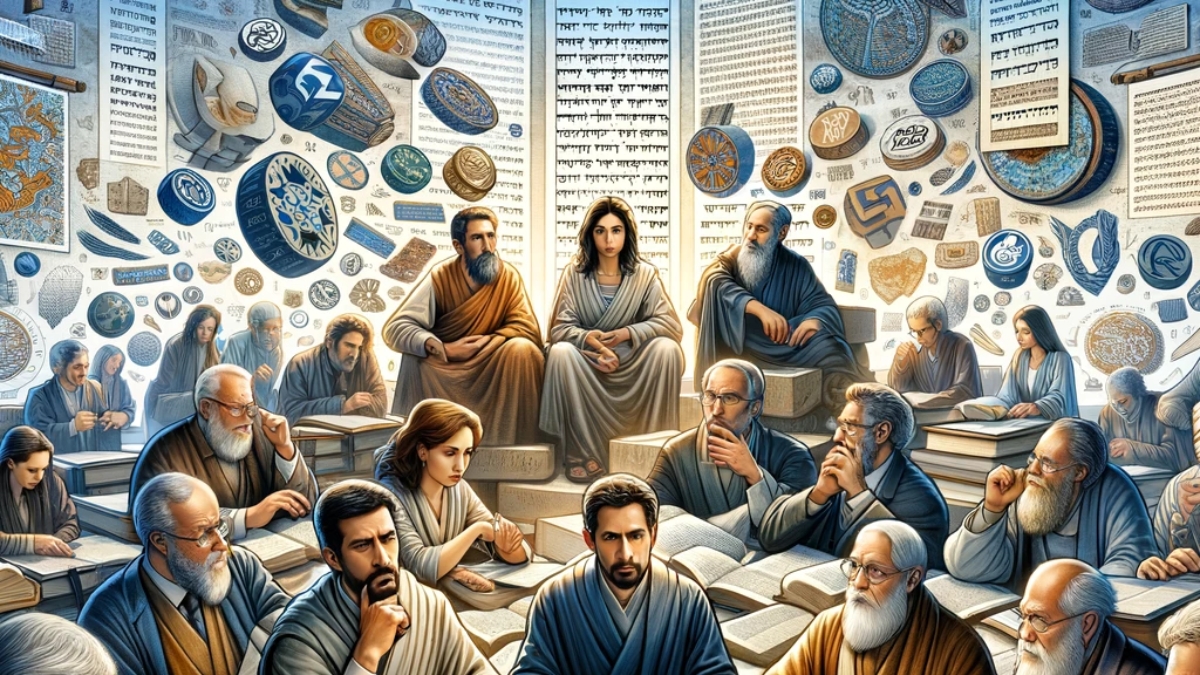
In the article, we explore the intriguing moment in Acts 23:6 when Paul, facing the Sanhedrin, identifies himself as a Pharisee. This comprehensive analysis delves into the historical and theological context of Paul's statement, examining whether it signified a compromise of his Christian beliefs or a strategic move within a complex religious and political landscape. The article scrutinizes the nuances of Pharisaic and Christian doctrines, particularly the shared belief in resurrection, to understand Paul's intent and the implications of his declaration.
What Did Jesus Imply in John 3:13 About His Heavenly Origin and Mission?
In the article, we delve into the profound statement made by Jesus to Nicodemus, exploring its theological implications. This exploration sheds light on Jesus' unique identity as the Son of Man, His pre-existence, and His divine mission, as well as the broader context of spiritual rebirth within Christian theology. The article provides a detailed analysis from a conservative, literal biblical interpretation perspective, emphasizing the historical-grammatical method to understand this pivotal verse in the Gospel of John.
Did Jesus Truly Transform Water into Wine? An Exegetical Analysis of John 2:1-11
Explore the depths of one of the New Testament's most famous miracles in 'Did Jesus Truly Transform Water into Wine? An Exegetical Analysis of John 2:1-11'. This article delves into the cultural, linguistic, and theological aspects of the event at the Wedding at Cana, offering a comprehensive understanding of how Jesus' first miracle was not only a display of divine power but also a significant theological symbol in Christian belief.
What is the Meaning Behind Paul’s Instruction for Women to “Keep Silent in the Congregations”?
Delve into the intricate nuances of Apostle Paul's instruction for women to 'keep silent in the congregations' in 'What is the Meaning Behind Paul's Instruction for Women to “Keep Silent in the Congregations”?' This thorough analysis explores the cultural, historical, and theological contexts of 1 Corinthians 14:33-34, shedding light on the intended meaning of this often-debated directive. Understand how this instruction fits within the broader framework of early Christian worship and scriptural teachings on headship and order in the church.
Why Did Jesus Use Fermented Wine During the Memorial of His Death, Despite the Passover Command Against Leaven?
Unpack the profound reasons behind Jesus' use of fermented wine during the Memorial of His death in 'Why Did Jesus Use Fermented Wine During the Memorial of His Death Despite the Passover Command Against Leaven?' This article dives into the harmonization of Jesus' actions with the Passover command in Exodus 12:20, exploring the theological significance, cultural context, and the symbolic transformation from Old to New Covenant practices in Christian theology.
Can We Ascertain the Precise Time of Jesus Christ’s Crucifixion?
In this article we delve into the Gospel narratives, historical context, and the interplay of Jewish and Roman timekeeping to piece together the timeline of one of history's most defining moments. Through a meticulous examination of scripture and an understanding of first-century practices, we explore the evidence that narrows down the timeframe of when Jesus was nailed to the cross.
Resolving the Biblical Enigma: “Through the Law I Died to the Law” in Galatians 2:19
In Galatians 2:19, the apostle Paul makes a perplexing statement: "through the law I died to the law." This article exhaustively examines the depth and layers of this Biblical enigma by diving into the context, historical background, and linguistic nuances of the text.
Why Did Jesus Just Before His Death Quote David’s Words, Found at Psalm 22:1?
This article delves into the profound biblical question: Why did Jesus quote David's words from Psalm 22:1 before His death? Understanding this poignant moment is pivotal to appreciating the depths of Christian theology, Messianic fulfillment, and the unbroken connection between the Old and New Testaments.
Why Jews Don’t Believe In Jesus—Why Their Arguments Are Not Valid?
This article examines the principal arguments presented by Jews for not believing in Jesus as the Messiah and God incarnate. We explore their contentions about the Torah and the new covenant, as well as the nature of God, and find that these arguments are not as insurmountable as they seem.
HEBREWS 1:8 – The Majesty of the Son: Exploring the Identity and Kingship of Jesus
Delve into the profound theological implications of Hebrews 1:8 as penned by Paul. This cornerstone scripture vividly depicts the Identity and Kingship of Jesus Christ, establishing Him as the eternal King and God. A must-read for anyone wanting to deepen their understanding of Christology.


