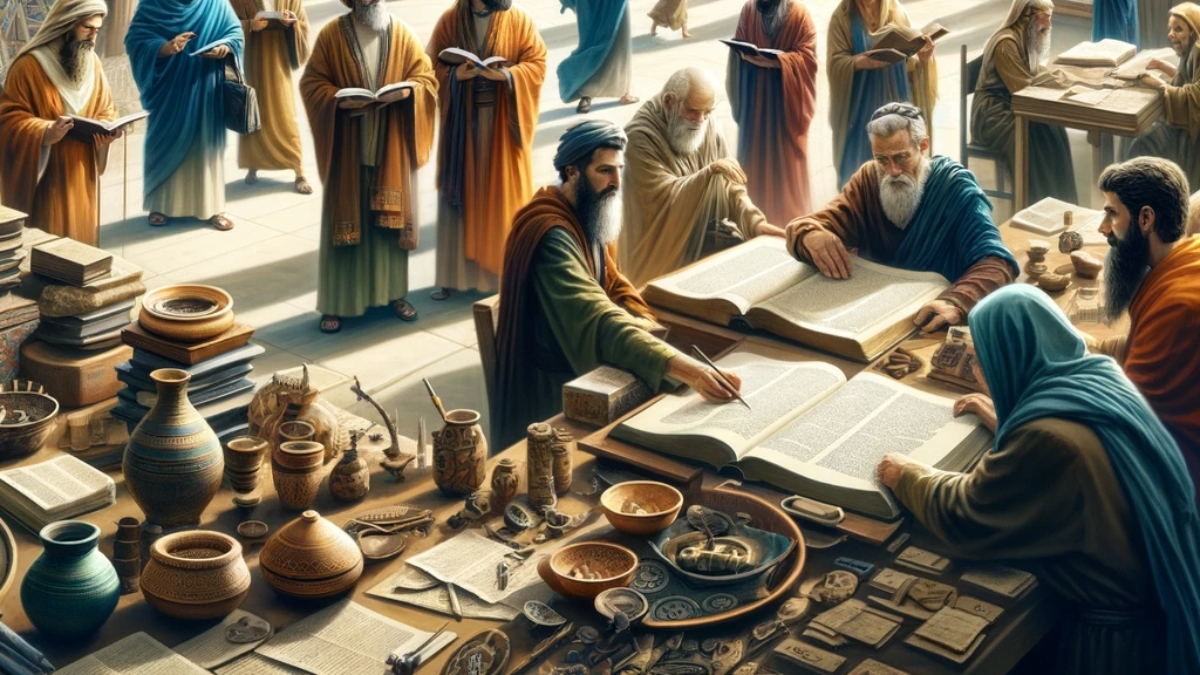
Join us on an explorative journey following Apostle Paul and Barnabas as they embark on their groundbreaking first missionary journey. From the divine commissioning in Antioch to the island of Cyprus, and through the halls of Pisidian Antioch, experience the fervent spread of the gospel, miraculous confrontations, and the birth of the Gentile Church amidst Jewish opposition. Witness the resilience of the early Christian mission and the unstoppable spread of their message, fueled by faith and the Holy Spirit.
The Mishnah: An Analysis of Its Origins and Relation to God’s Law Given to Moses
This article delves into the origins of the Mishnah and its connection to God's Law as given to Moses. We explore the historical context, the development of Jewish law, and the role of the Mishnah in shaping the Jewish religious landscape (Judaism) before and after the fall of Jerusalem in 70 C.E., which Jesus condemned.
What Did the Disciples Mean by ‘It Is His Angel’ in Acts 12:15?
In this article, we delve into the intriguing response of the disciples to Peter's miraculous appearance after his escape from prison. This article explores the blend of Jewish and early Christian beliefs about angels, examining the concept of guardian angels and divine messengers within the scriptural context. The piece sheds light on the disciples' mindset and the prevalent theological understandings that shaped their perception of the supernatural, particularly in the context of angelic intervention.
What Did Paul Mean by ‘She Will Be Kept Safe Through Childbearing’? Exploring 1 Timothy 2:15
In the article, we delve into the historical, cultural, and scriptural contexts to understand this complex passage. The discussion navigates through the roles of women in the early church, the significance of childbearing in Paul's message, and the broader concept of spiritual safety through faith and godliness. This comprehensive analysis aims to clarify misconceptions and offer a balanced view of Paul's teachings in relation to women's roles and spiritual wellbeing.
Did Jesus Truly Transform Water into Wine? An Exegetical Analysis of John 2:1-11
Explore the depths of one of the New Testament's most famous miracles in 'Did Jesus Truly Transform Water into Wine? An Exegetical Analysis of John 2:1-11'. This article delves into the cultural, linguistic, and theological aspects of the event at the Wedding at Cana, offering a comprehensive understanding of how Jesus' first miracle was not only a display of divine power but also a significant theological symbol in Christian belief.
What is the Meaning Behind Paul’s Instruction for Women to “Keep Silent in the Congregations”?
Delve into the intricate nuances of Apostle Paul's instruction for women to 'keep silent in the congregations' in 'What is the Meaning Behind Paul's Instruction for Women to “Keep Silent in the Congregations”?' This thorough analysis explores the cultural, historical, and theological contexts of 1 Corinthians 14:33-34, shedding light on the intended meaning of this often-debated directive. Understand how this instruction fits within the broader framework of early Christian worship and scriptural teachings on headship and order in the church.
Why Did Jesus Use Fermented Wine During the Memorial of His Death, Despite the Passover Command Against Leaven?
Unpack the profound reasons behind Jesus' use of fermented wine during the Memorial of His death in 'Why Did Jesus Use Fermented Wine During the Memorial of His Death Despite the Passover Command Against Leaven?' This article dives into the harmonization of Jesus' actions with the Passover command in Exodus 12:20, exploring the theological significance, cultural context, and the symbolic transformation from Old to New Covenant practices in Christian theology.
Did Jesus Instruct the Twelve Apostles to Carry Staffs and Wear Sandals on Their Mission?
This article delves into the nuanced instructions Jesus gave to the Twelve Apostles regarding their missionary journey, as recounted in the Synoptic Gospels. Did Jesus instruct His Apostles to carry staffs and wear sandals? A close examination of the texts from Mark, Matthew, and Luke reveals a blend of practical guidance and symbolic elements that underscore the Apostles' reliance on God and their readiness to spread His word.
The Coins of the Jewish Revolts: c. 66-70 AD, 132-135 AD
The coins minted during both the Jewish Revolt (66-70 AD) and the Bar Kokhba Revolt (132-135 AD) against the Roman Empire offer invaluable insights into the historical, cultural, and linguistic context of these periods. They showcase nationalistic, religious and ideological motivations behind the revolts, constituting a narrative of resistance and identity. Despite challenges in authenticity and interpretation, through archaeological, numismatic and linguistic investigations, scholars can unravel nuances of these tumultuous periods, contributing to understanding of Jewish resilience and struggle for freedom.
The Role and Function of the Jewish Temple Police in the New Testament
The Jewish temple police, agents of the religious authorities in the New Testament, played significant roles in key events such as Jesus' arrest. Their responsibility ranged from maintaining order and enforcing Jewish Law to arresting perceived threats to the religious establishment. Understanding their roles provides deep insights into the tension between the religious authorities and the early Christian movement, and enhances understanding of socio-religious dynamics of biblical history.


